Melenas, manes, animales peludos. Maned animals
Humans are peculiar in this respect, very long manes in the head and upper back part of the neck. At least for some years, we all kow balding is an important issue in our species.
Why do we have these weird mops of hair in the head, and moustaches and beards (mostly in men), and, yes, why do we have thicker and longer clumps in the underarm, genitalia and some near zones?
We can only speculate and I'm not going deeper in this post, leaving the matter from another moment, and just telling we do have a hair issue which embarrasses us very often, when not making us uncomfortable and wanting to keep it as invisible as possible (hence the flourishing business of hair removal).
Just wanted to explore the concept "manes" in other animals, mainly mammals, so let's take a look:
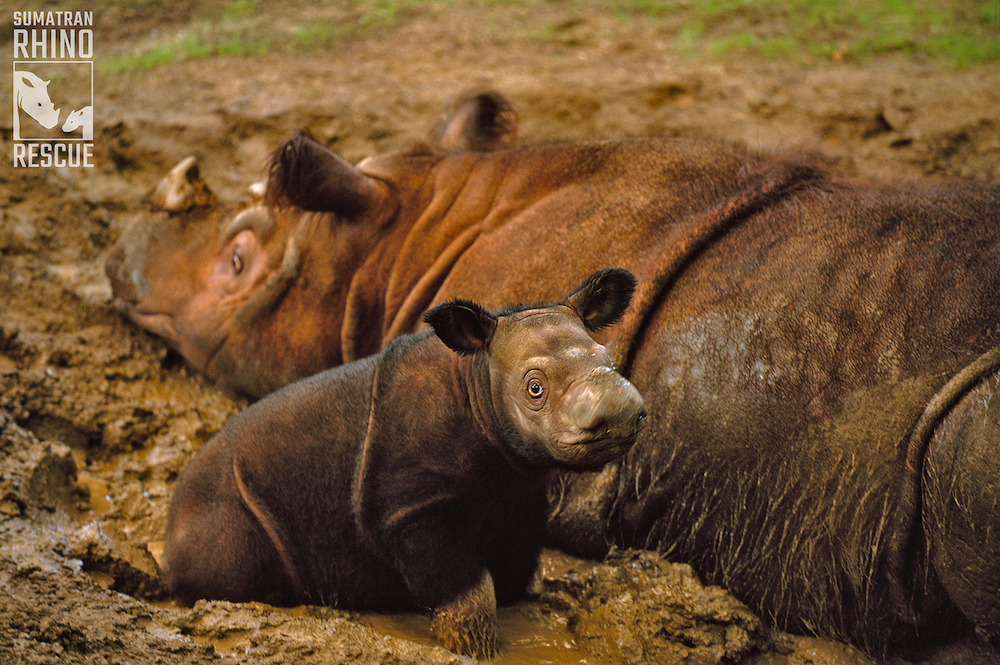
Sumatran rhino are born quite hairy, at least for the standards of (extant) rhinos. However our chances of seeing these beautiful and yes, tender looking rhinos are thinning the way these manes thin in their adult life, because of these species is very threatened by extinction:
With fewer than 80 left in the world, this species’ fate is at a tipping point. After decades of poaching and habitat loss, the few remaining Sumatran rhinos are separated into small populations, making it difficult to find mates. The species is Critically Endangered, meaning that it faces an extremely high risk of extinction in the wild"
https://www.savetherhino.org/asia/indonesia/working-together-to-save-the-sumatran-rhino/
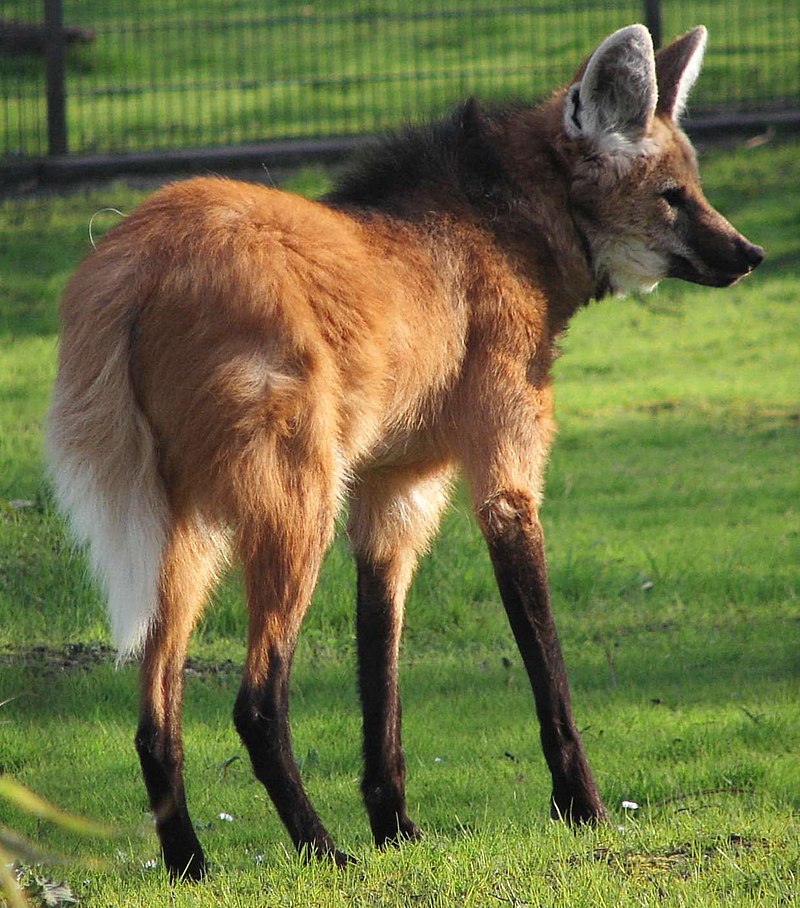 Maned wolf. Not so maned as lion is, but not bald at all.
Wolves of the World
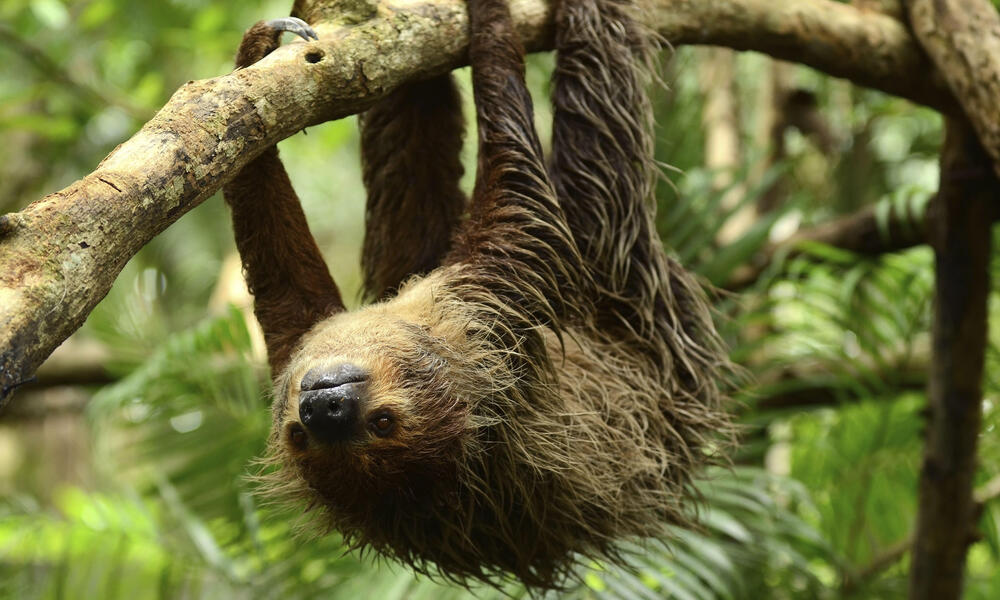
1242215. Maned Sloth (Bradypus torquatus) portrait, Atlantic Forest, Bahia, Brazil





Comentarios
Publicar un comentario